Sami Fares

Jones Pressure Washing - UX Case Study

Designing a trust-driven digital experience that helps homeowners confidently request quotes from a new local service business

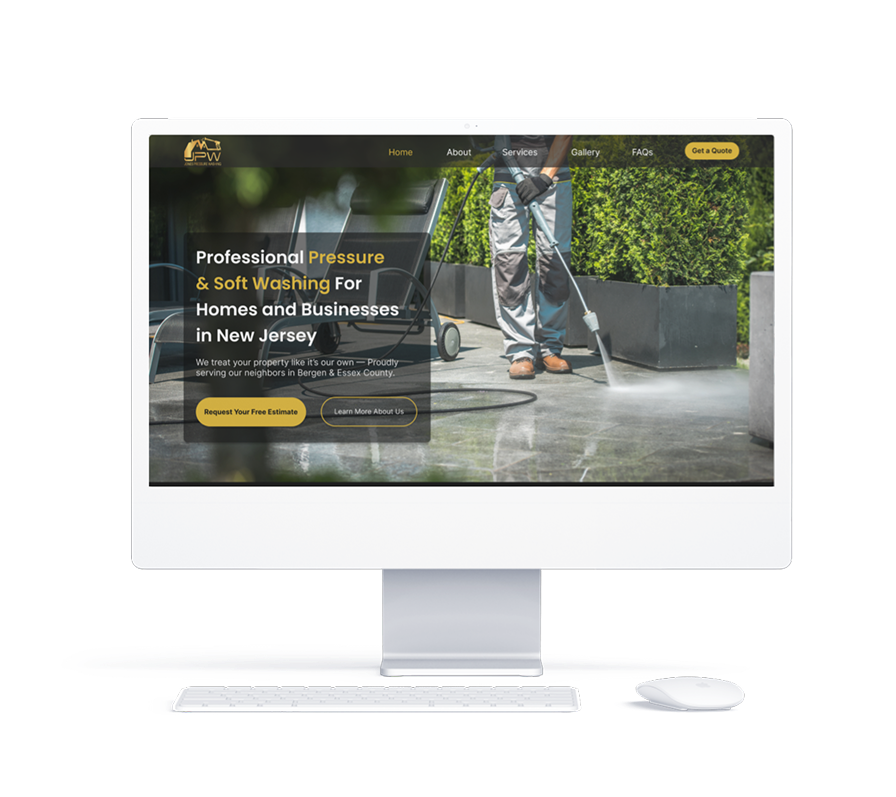
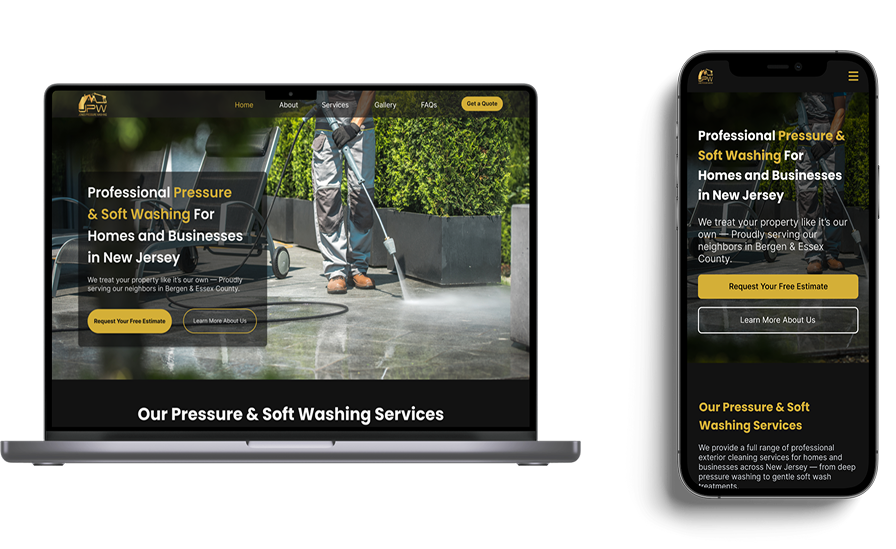
Jones Pressure Washing - UX Case Study mockup

0.0 Problem Framing: Establishing Trust Without Social Proof

Jones Pressure Washing was a brand-new company entering the competitive home services market in New Jersey. With no website, reviews, or digital footprint, the business faced a core challenge: earning trust quickly from homeowners who rely on online signals to make fast, high-stakes decisions.

The problem was not simply the absence of a website. Prospective customers needed to feel confident inviting a new service provider onto their property without the reassurance of testimonials, brand recognition, or past work examples. Any digital experience had to reduce uncertainty, clearly explain services, and make the next step feel safe and worthwhile.

At its core, this project focused on establishing legitimacy from the ground up in an industry where clarity, perceived professionalism, and local relevance shape user trust.

0.1 Project Overview

Context

Jones Pressure Washing is a residential and commercial exterior washing company based in New Jersey. At the start of the project, the business had a minimal one-page site that lacked clear structure, hierarchy, and messaging.

The goal was to design a scalable website that could support service clarity and long-term local growth.

My Role

UX Design, Information Architecture, Content Strategy, Copywriting

Client

Jones Pressure Washing (Local Home Service - NJ)
Timeline

6 Weeks

Tools

Figma, Web Research, Google Docs, Linear

Deliverables

Responsive homepage designed to support lead requests

Service overview and detail pages with clear hierarchy

Contact and lead capture experience

SEO-informed copywriting to support local discovery

0.2 Project Goals and Constraints

Client Goals

Reduce perceived risk for first-time visitors by establishing trust and legitimacy

Help homeowners quickly understand services and determine fit without additional clarification

Guide users toward requesting a quote through clear, confidence-building calls to action

Support local search visibility across New Jersey

Position the business as a reliable, premium option relative to local competitors

Constraints

No existing brand identity, service portfolio, or customer testimonials

Limited visual assets and written content at project kickoff

Highly competitive local home services landscape

Fixed timeline of six weeks from kickoff to launch

0.3 Research & Discovery

To understand how homeowners evaluate and select pressure washing services, I conducted a competitive review of local businesses across Northern New Jersey. This research focused on how competitors communicated credibility, structured service information, and surfaced trust signals through messaging, local SEO presence, and visual professionalism.
I also reviewed Google and Yelp feedback to identify recurring decision drivers, including responsiveness, pricing clarity, professionalism, and visible results. Because the client lacked testimonials and a visual portfolio at launch, a key focus of this research was understanding how trust is established when traditional social proof is limited or absent.
To supplement this analysis, I spoke informally with homeowners in my network about how they typically choose local service providers. These conversations reinforced a consistent pattern: decisions are often made quickly, based on first impressions, perceived professionalism, and how easily users can understand services and take action.

"Honestly, I just Google the service, look at the first couple options, and whichever company looks more professional I usually call first."

Tyler B

Key Research Takeaways

Trust is often established within the first few seconds of landing, especially for first-time visitors

Homeowners scan quickly to understand services, coverage areas, and pricing expectations

Local signals such as county and town references strongly influence perceived legitimacy

Many service searches occur on mobile, often under time pressure

Users expect clear next steps without needing to search or scroll excessively

0.4 Key UX Decisions & Tradeoffs

1

Establishing trust without social proof or brand history

Problem

As a new local service business, Jones Pressure Washing had no reviews, testimonials, or visual portfolio. Homeowners needed to assess legitimacy quickly before deciding whether to request a quote.

Risk

Without recognizable trust signals, users could hesitate, compare competitors that appeared more established, or abandon the experience entirely.

Decision

Signal credibility through clarity, professionalism, and consistency rather than relying on unavailable social proof.

Solution

Trust was reinforced by: • Prioritizing clear, descriptive service explanations over promotional language • Using a strong information hierarchy to surface key details immediately • Applying a restrained, professional visual system to convey reliability • Making the primary call to action visible early and consistently

Tradeoff

Limiting expressive branding reduced early visual flexibility but lowered perceived risk and supported faster, more confident decisions.

2

Supporting fast decision-making for high-intent users

Problem

Homeowners searching for pressure washing services often do so with immediate intent and limited patience, frequently comparing multiple providers at once.

Risk

If users had to search for key information or next steps, they could delay action or choose a competitor with a clearer path forward.

Decision

Design the experience to support rapid scanning and action within seconds of landing.

Solution

Fast decision-making was supported by: • Breaking services into short, scannable sections • Grouping offerings logically with access to deeper detail when needed • Repeating the primary "Request Your Free Estimate" call to action at natural decision points • Avoiding dense content blocks that slow evaluation

Tradeoff

Reducing depth on top-level pages required careful prioritization, but improved clarity and reduced friction for first-time visitors.

3

Reinforcing local relevance in a competitive market

Problem

In a crowded local services landscape, homeowners rely heavily on geographic cues to judge relevance and legitimacy.

Risk

Without strong local signals, the business could appear generic or less trustworthy than nearby competitors.

Decision

Integrate location-based context throughout the experience to reinforce regional relevance and authority.

Solution

Local credibility was strengthened by: • Incorporating county and town references across key pages • Aligning service language with regional search intent • Structuring content to support both user understanding and local discovery

Tradeoff

Balancing geographic specificity with clean, readable content required restraint, but increased perceived legitimacy.

4

Designing for mobile-first, on-the-go usage

Problem

Many pressure washing searches occur on mobile devices, often during time-sensitive or last-minute situations.

Risk

Dense layouts, small tap targets, or buried calls to action could prevent users from acting quickly on mobile.

Decision

Optimize the experience for mobile-first usability and ease of interaction.

Solution

Mobile usability was improved by: • Stacking content vertically for easier scanning • Enlarging tap targets and spacing interactive elements • Ensuring calls to action remained accessible without excessive navigation

Tradeoff

Simplifying some desktop layouts improved consistency and usability across devices.

0.5 Final Designs & Reflection

This project demonstrates how UX strategy can establish credibility for a new local service business without reviews, testimonials, or an existing digital footprint. Rather than optimizing solely for launch, the experience was intentionally structured to remain clear, trustworthy, and scalable as the business grows.

The final designs emphasize clarity, perceived professionalism, and ease of action. The experience helps first-time visitors quickly understand services, assess legitimacy, and move confidently toward requesting a quote within a competitive local market.

Final Designs

Design showcase 1

Key Outcomes

  • Established a clear, scalable information structure that can grow alongside the business
  • Created a professional digital presence without relying on testimonials or portfolio imagery
  • Supported fast, confident decision-making through a mobile-first experience
  • Designed an SEO-informed information architecture to strengthen local discovery
  • Reduced user hesitation through intentional content hierarchy and repeated next steps

Lessons Learned

  • Designing for user confidence can offset the absence of traditional trust signals
  • Clear information architecture plays a critical role in service-based decision-making
  • Content structure and hierarchy can substitute for missing brand assets in early-stage businesses
  • Local context should inform both messaging and structural decisions from the outset
  • Planning for growth requires balancing immediate clarity with long-term scalability

Client Feedback

"The website is everything I envisioned it to be. I understood the challenges during this process, but I'm extremely happy with how it turned out. I'm confident the site will help the business continue to grow."

- Owner, Jones Pressure Washing

View More Case Studies

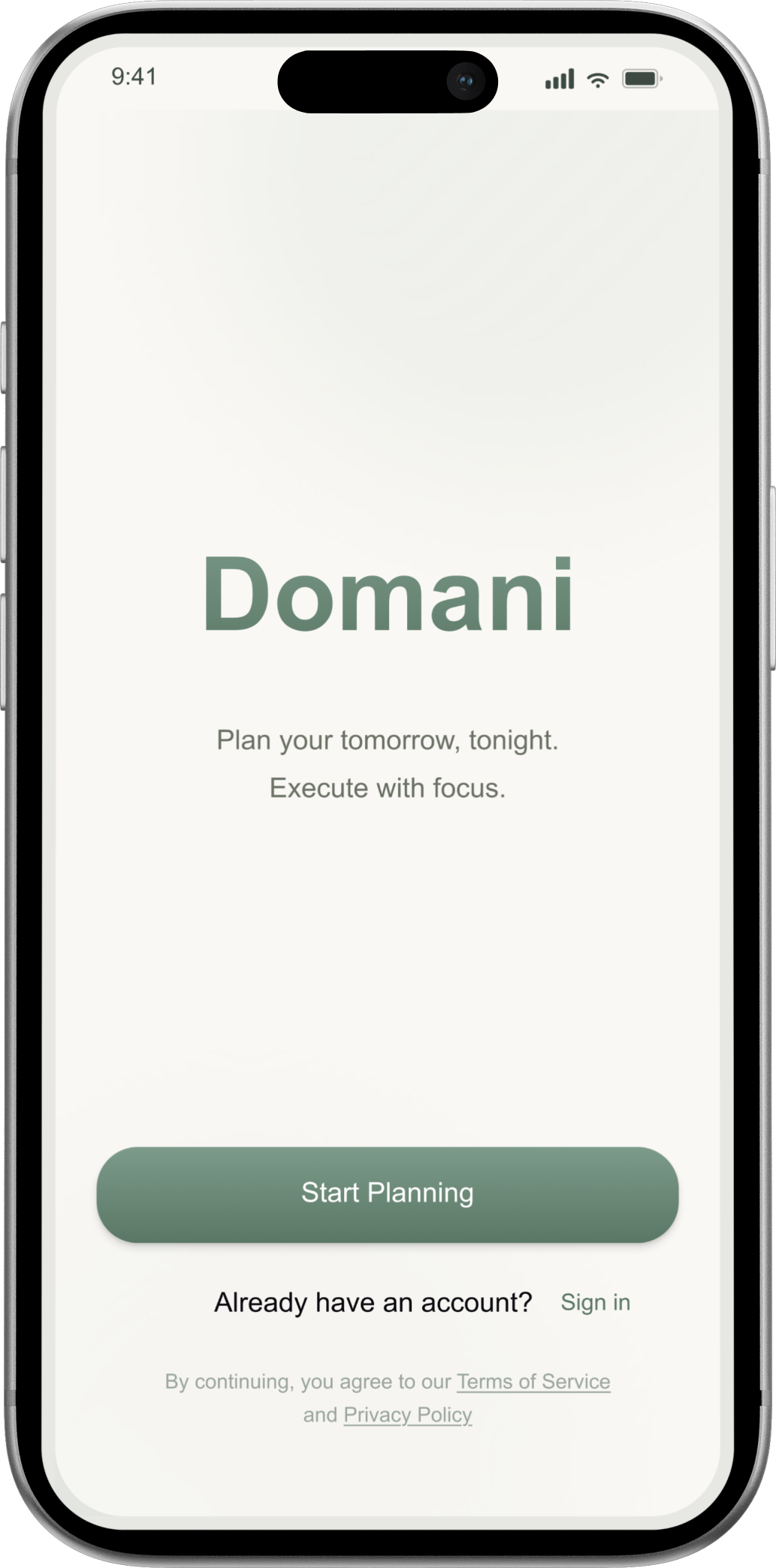
    Domani example image

    Domani

    Product UX - Systems & Iteration

    Designed a calm, habit-building planning app focused on reducing decision fatigue and helping users follow through on daily intentions. Led product UX from concept through iterative refinement, shaping core interaction models that separate planning from execution and lower cognitive load. Currently in public beta and evolving toward launch.

    Read Case Study
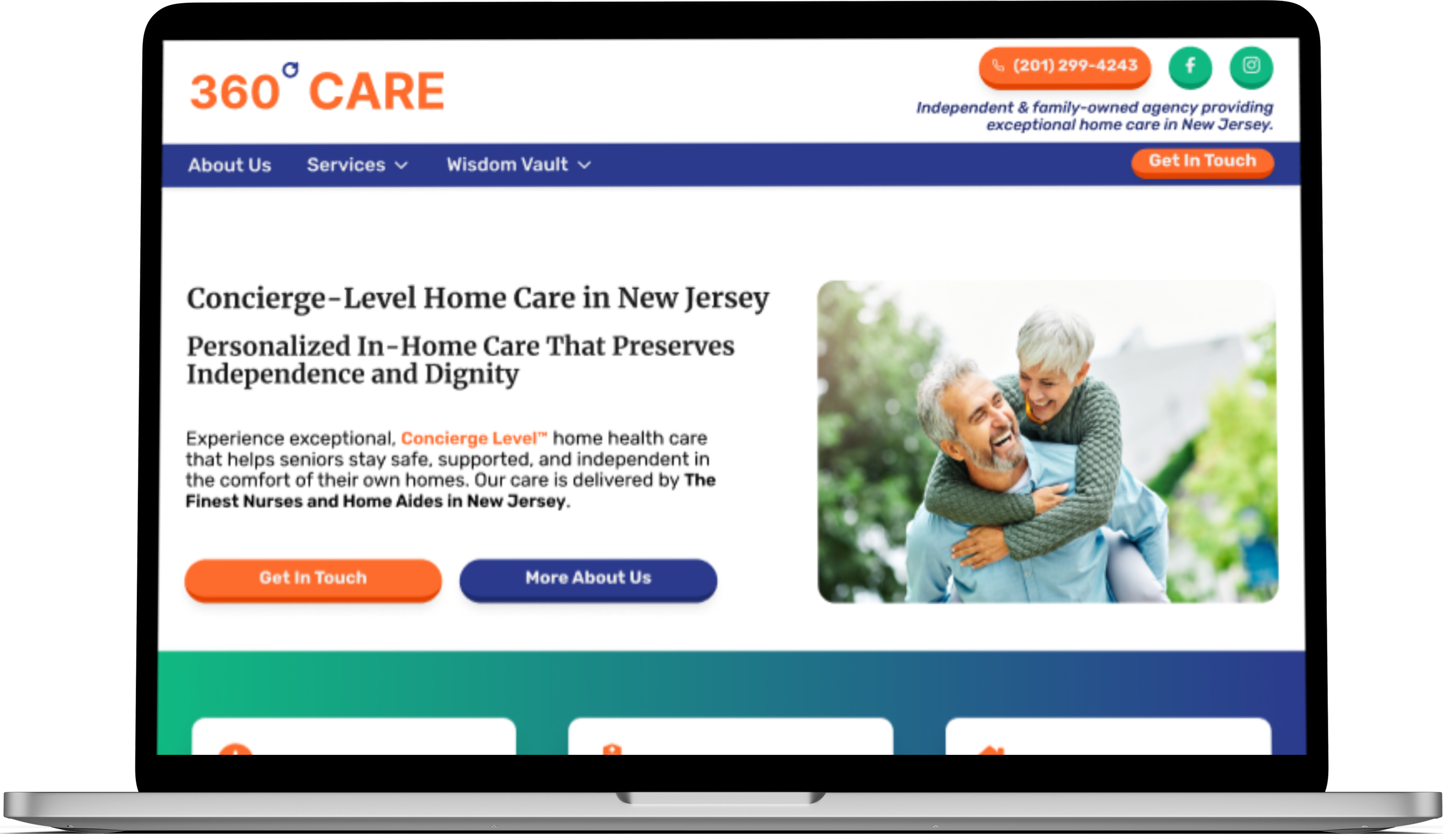
    360 Degree Care example image

    360 Degree Care

    Emotional UX - Accessibility & Reassurance

    Shaped a trust-focused digital experience for families navigating high-stakes care decisions. Led UX and content strategy to support emotionally stressed users through clear information hierarchy, accessibility controls, and calm, confidence-building interaction patterns.

    Read Case Study
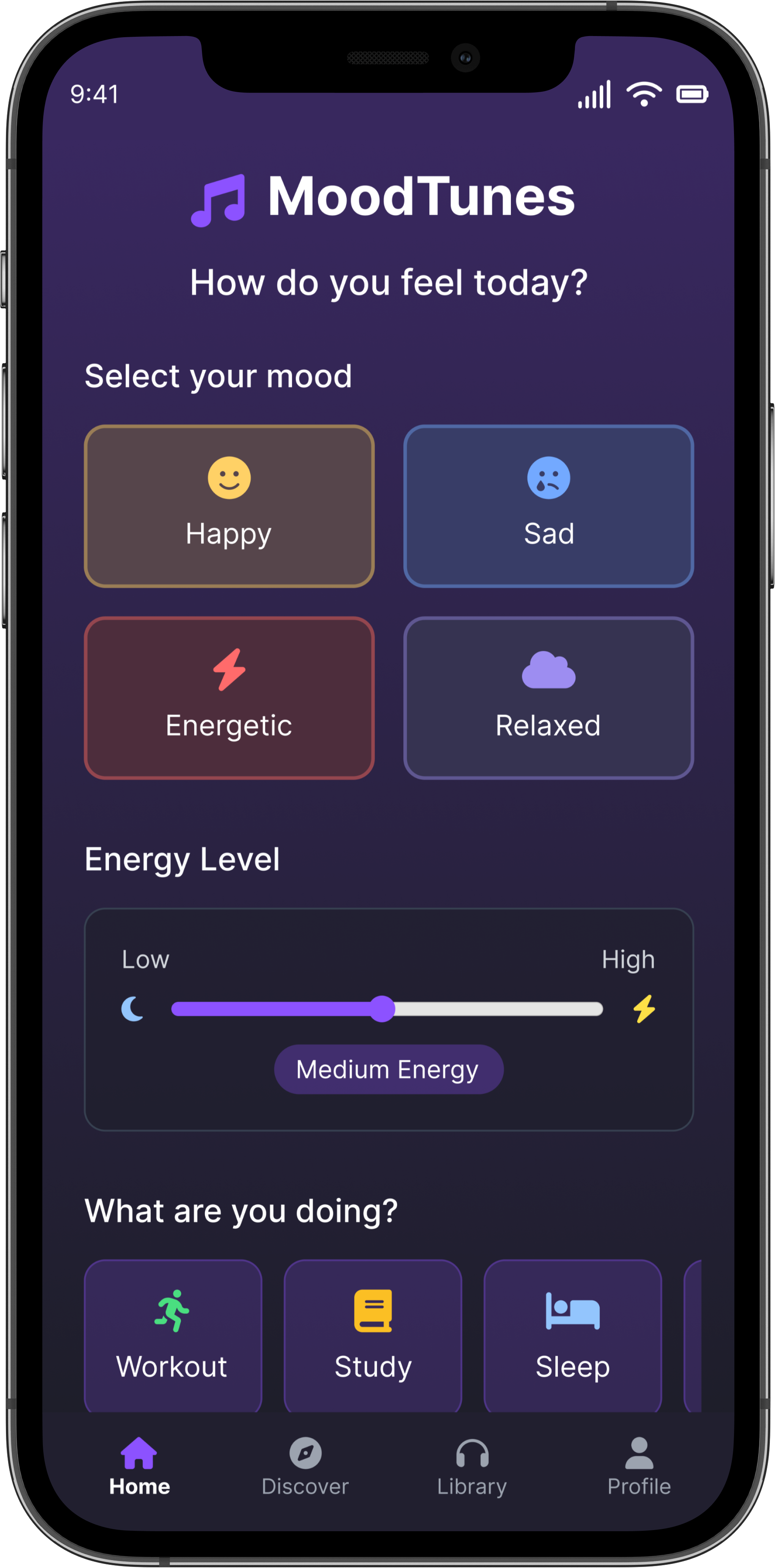
    MoodTunes example image

    MoodTunes

    Conceptual Product UX - Interaction Design

    Explored a mood-first approach to music discovery that prioritizes how users feel in the moment over listening history. Designed a lightweight interaction model focused on reducing friction at entry, limiting choice to maintain momentum, and surfacing discovery without overwhelming users.

    Read Case Study